
(November 7, 1874 – December 13, 1969)
from The Greenwood Project
Nashville-born Nellie Griswold was a young girl when her family moved to Minnesota, where she met and married St. Paul attorney William Trevanne Francis in 1893. She founded the Everywoman Suffrage Council and held leadership positions in the Minnesota State Federation of Colored Women, the Urban League, and the NAACP. Enlisting her husband’s assistance in writing anti-lynching legislation after a 1920 incident in Duluth, Nellie shepherded the bill through the state legislature to passage in 1921. This ground-breaking law – be reminded that the United States Congress has never passed anti-lynching legislation! – awarded monetary compensation to victims’ families and established penalties for police who failed to protect prisoners from mobs. Facing discriminatory housing practices in their Minnesota neighborhood, Nellie and her husband moved to Africa in 1927 when President Coolidge appointed William to serve as special minister to Liberia. After yellow fever took William’s life, Nellie brought his body to Nashville for burial, remaining here herself until her death at 95.
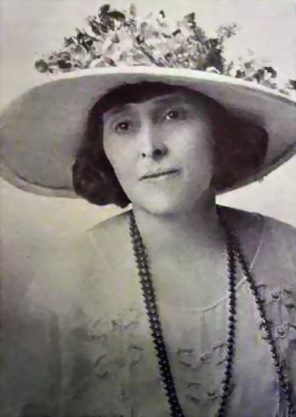
Nellie Francis Griswold. (Mary Dillon Foster, Who’s Who Among Minnesota Women (1924), 111.)
____________________
The Greenwood Project is a series of 160-word biographies of individuals who lie at rest in Mt. Ararat and Greenwood cemeteries, two historic African American burial grounds in Nashville, Tennessee. The project, which began in September 2014 (and is still available on Facebook, at https://www.facebook.com/profile.php?id=100064806156276), shares the stories of more than 300 consequential individuals, primarily African American, who changed the course of city, state, and national history through their words and deeds. (All biographies were written by Kathy Lauder unless otherwise noted.)
 Nashville Historical Newsletter